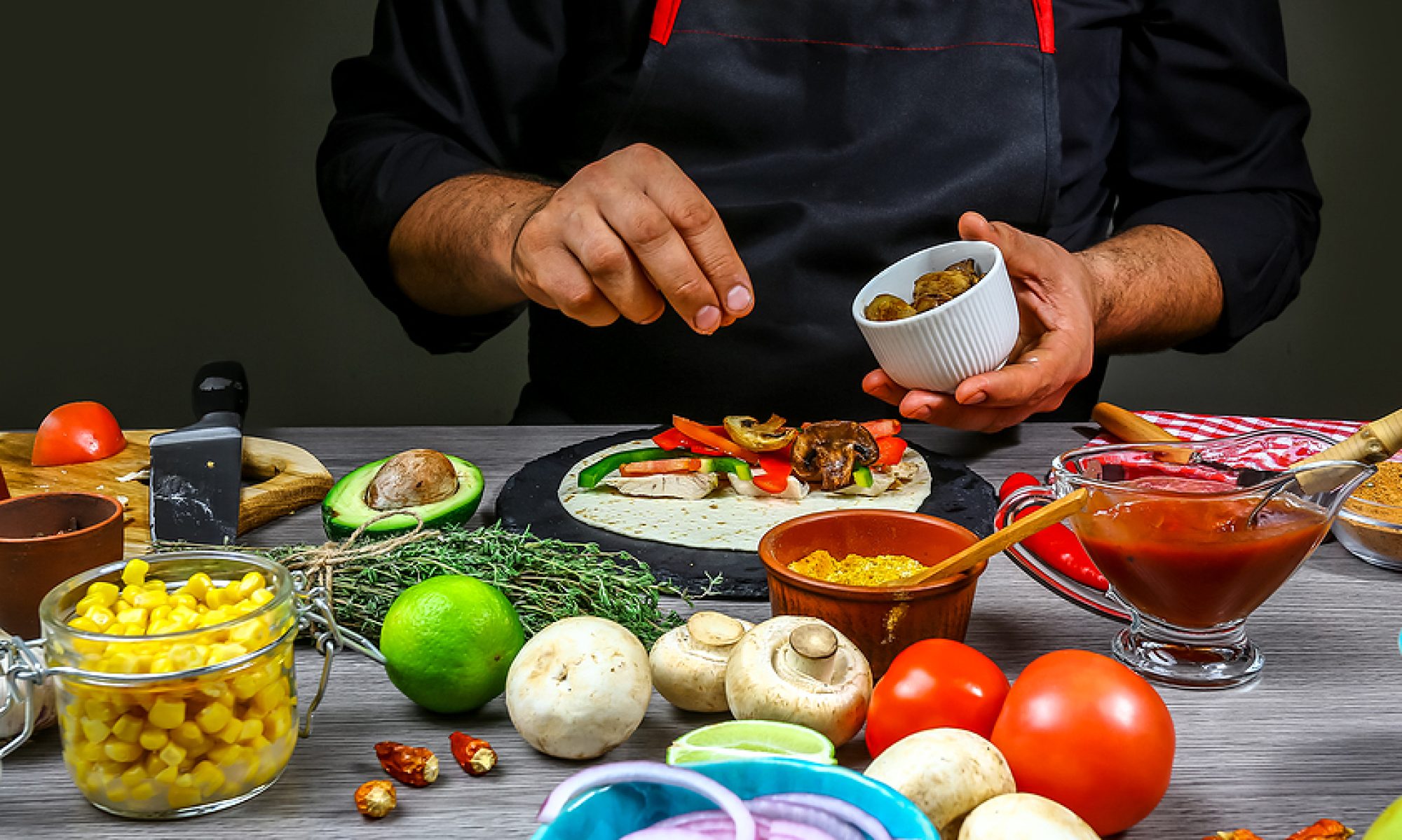

ST. LOUIS, MO – June 19, 2026 (DelapazRestaurantGroupSTL) Mexican cuisine is much more than tacos, burritos, and chips with salsa. It is one of the oldest continuously evolving culinary traditions in the world, blending thousands of years of Indigenous history with European, African, Caribbean, Middle Eastern, and Asian influences. Every region of Mexico has developed its own unique recipes, cooking techniques, and ingredients, creating an extraordinary variety of dishes that continue to inspire chefs and delight diners around the globe.
In 2010, UNESCO recognized traditional Mexican cuisine as an Intangible Cultural Heritage of Humanity, making it one of the few national cuisines to receive this prestigious honor. The recognition celebrates not only the incredible food but also the cultural traditions, farming practices, family recipes, and community gatherings that have made Mexican cuisine an essential part of everyday life for generations.
At DeLaPaz Restaurant Group, we proudly celebrate these traditions by serving authentic Mexican flavors made with fresh ingredients and time-honored recipes. Whether you are enjoying sizzling fajitas, flavorful enchiladas, handcrafted tacos, or freshly prepared guacamole, every meal reflects a culinary heritage that has evolved over thousands of years.
This guide explores everything you want to know about Mexican cuisine—from its fascinating history to its regional specialties, traditional ingredients, famous dishes, and why it has become one of the world’s most beloved cuisines.
The Ancient Origins of Mexican Cuisine
The history of Mexican cuisine began long before the arrival of Europeans. More than 9,000 years ago, Indigenous civilizations, including the Olmec, Maya, Zapotec, Toltec, and Aztec, developed sophisticated agricultural systems that would shape Mexican cooking forever.
The foundation of their diet centered around three essential crops known as the “Three Sisters”:
- Corn (Maize)
- Beans
- Squash
These crops complemented one another nutritionally while also supporting sustainable farming practices. Together, they provided carbohydrates, protein, vitamins, and essential nutrients that allowed civilizations to flourish.
Corn quickly became much more than a food source. It became central to religion, mythology, agriculture, and daily life. Ancient civilizations believed humanity itself was created from corn, making it sacred throughout Mesoamerica.
Even today, corn remains the cornerstone of authentic Mexican cuisine.
Why Corn Is So Important
Unlike commercially processed corn products, authentic Mexican tortillas begin with a process called nixtamalization.
Corn kernels are soaked and cooked with an alkaline solution made from limestone before being ground into masa.
This ancient process offers several important benefits:
- Improves nutritional value
- Releases niacin for better absorption
- Creates softer tortillas
- Enhances flavor
- Improves texture
- Makes dough easier to shape
Without nixtamalization, authentic tortillas, tamales, sopes, gorditas, and many traditional dishes would not have the same distinctive taste or texture.
Spanish Influence Changed—but Never Replaced—Mexican Cuisine
When Spanish explorers arrived during the early 1500s, they introduced many new ingredients that blended naturally with Indigenous recipes.
Among the foods introduced were:
- Beef
- Pork
- Chicken
- Goats
- Sheep
- Rice
- Wheat
- Garlic
- Onions
- Olive oil
- Cinnamon
- Citrus fruits
- Dairy products
Rather than replacing native foods, these ingredients are combined with local staples like corn, beans, tomatoes, squash, avocados, cacao, vanilla, and chile peppers.
The result became the incredibly diverse cuisine enjoyed throughout Mexico today.
This fusion created countless regional specialties while preserving Indigenous cooking methods that are still practiced centuries later.
The Ingredients That Define Authentic Mexican Cuisine
Fresh ingredients are one of the defining characteristics of Mexican cooking. While recipes vary across regions, certain ingredients appear repeatedly because they provide bold flavors, vibrant colors, and exceptional nutrition.
Corn
Corn remains the foundation of countless dishes, including:
- Tortillas
- Tamales
- Tostadas
- Pozole
- Sopes
- Gorditas
- Huaraches
- Tortilla chips
Fresh corn tortillas have a subtle sweetness and soft texture that perfectly complement meats, vegetables, seafood, and cheeses.
Beans
Beans have supplied affordable protein for thousands of years.
Popular varieties include:
- Pinto beans
- Black beans
- Peruano beans
- Flor de Mayo beans
Beans may be served whole, mashed, refried, or incorporated into soups, stews, and side dishes.
Chile Peppers
Perhaps no ingredient defines Mexican cuisine more than chile peppers.
Contrary to popular belief, peppers contribute much more than heat.
Each variety delivers unique flavors:
Jalapeño
Bright, fresh, moderately spicy.
Poblano
Mild with earthy richness.
Ancho
Sweet, smoky, dried poblano.
Guajillo
Tangy with berry-like notes.
Pasilla
Rich and slightly chocolate-like.
Chipotle
Smoked jalapeño with deep smoky flavor.
Habanero
Fruity with intense heat.
Professional chefs often combine several peppers to create remarkable complexity rather than overwhelming spice.
Tomatoes and Tomatillos
Fresh tomatoes form the base of countless sauces.
Tomatillos, although often mistaken for green tomatoes, are entirely different fruits that produce tangy green salsa with bright acidity.
Together, these ingredients create many of Mexico’s signature sauces.
Avocados
Mexico is the world’s largest producer of avocados.
Fresh guacamole remains one of the country’s best-known dishes, but avocados also appear sliced on tacos, tortas, salads, burritos, and seafood dishes.
Rich in healthy fats, avocados provide a creamy texture while balancing spicy flavors.
Fresh Herbs
Fresh herbs brighten nearly every Mexican meal.
Common herbs include:
- Cilantro
- Mexican oregano
- Epazote
- Parsley
- Mint
Rather than overpowering dishes, herbs provide freshness that balances grilled meats, rich sauces, and roasted vegetables.
Traditional Mexican Cheeses
Authentic Mexican cheeses differ greatly from processed cheese sauces commonly associated with Tex-Mex cuisine.
Popular varieties include:
Queso Fresco
Fresh, crumbly, mild.
Cotija
Salty finishing cheese similar to Parmesan.
Oaxaca Cheese
Soft, stringy cheese perfect for melting.
Panela
Firm, fresh cheese is often grilled.
Asadero
Creamy melting cheese used in quesadillas.
These cheeses provide distinct flavors that complement rather than overwhelm each dish.
The Incredible Diversity of Regional Mexican Cuisine
Mexico’s geography ranges from deserts and mountains to tropical forests and coastlines. Each region has developed unique cooking traditions based on local ingredients.
Northern Mexico
Northern Mexico is famous for ranching traditions.
Popular specialties include:
- Carne Asada
- Grilled beef
- Flour tortillas
- Cabrito (roasted goat)
- Burritos
- Machaca
Large cattle ranches influenced many meat-centered dishes that remain popular today.
Central Mexico
The country’s central region offers incredible culinary diversity.
Visitors often enjoy:
- Street tacos
- Enchiladas
- Pozole
- Fresh market cuisine
- Mole sauces
- Handmade tortillas
Mexico City serves as a culinary crossroads where recipes from every state come together.
Oaxaca
Many culinary experts consider Oaxaca the food capital of Mexico.
The region is renowned for:
- Seven traditional mole sauces
- Oaxaca cheese
- Tlayudas
- Chapulines
- Mezcal
- Handmade chocolate
Oaxacan cuisine reflects centuries of Indigenous traditions combined with colonial influences.
Veracruz
Located along the Gulf Coast, Veracruz features seafood and tropical ingredients.
Popular dishes include:
- Red Snapper Veracruz-style
- Shrimp cocktails
- Rice dishes
- Plantains
- Citrus-marinated seafood
Spanish influences remain particularly strong throughout the region.
Yucatán Peninsula
The Yucatán possesses one of Mexico’s most distinctive culinary traditions.
Signature dishes include:
- Cochinita Pibil
- Panuchos
- Salbutes
- Papadzules
- Lime soup
Many recipes incorporate achiote paste, citrus marinades, and slow roasting techniques inherited from the Maya civilization.
Why Mexican Cuisine Is Loved Around the World
Few cuisines offer the remarkable versatility found in Mexican cooking.
Every meal combines multiple textures, temperatures, and flavors.
Fresh salsa contrasts with creamy guacamole.
Crunchy vegetables complement tender grilled meats.
Bright citrus balances rich sauces.
Warm tortillas wrap around savory fillings.
Every bite offers complexity without becoming overwhelming.
This balance explains why Mexican cuisine consistently ranks among the world’s favorite foods.
Family Is at the Heart of Every Meal
Perhaps the greatest tradition in Mexican cuisine is family.
Meals are not rushed.
They are opportunities to celebrate birthdays, holidays, graduations, weddings, baptisms, and everyday life.
Recipes are often handed down through multiple generations.
Grandparents teach grandchildren how to prepare tortillas.
Parents pass along secret salsa recipes.
Entire families gather to make tamales during the holidays.
Food becomes a connection between generations.
This spirit of hospitality continues today in family-owned Mexican restaurants across the United States, where every guest is welcomed with warmth, generous portions, and authentic flavors.
Mexico’s Most Famous Dishes
One of the reasons Mexican cuisine has become so popular around the world is its incredible variety of dishes. While many people immediately think of tacos, authentic Mexican cooking encompasses hundreds of regional specialties, ranging from simple street food to elaborate dishes prepared for holidays and celebrations.
Tacos
Perhaps no food better represents Mexican cuisine than the taco.
Authentic tacos are surprisingly simple. Fresh corn tortillas are filled with grilled meats, seafood, vegetables, or beans and topped with onions, cilantro, salsa, and a squeeze of fresh lime. Unlike many American interpretations, authentic tacos rely on fresh ingredients rather than excessive toppings.
Popular taco fillings include:
- Carne Asada
- Al Pastor
- Carnitas
- Barbacoa
- Chicken
- Shrimp
- Fish
- Chorizo
- Birria
- Grilled vegetables
Every region of Mexico has developed its own signature taco styles, making tacos one of the country’s most versatile foods.
Enchiladas
Enchiladas are another classic favorite.
Soft corn tortillas are filled with seasoned meats, cheese, beans, or vegetables, then rolled, covered with flavorful sauces, and baked until heated through.
Popular sauces include:
- Red chile sauce
- Green tomatillo sauce
- Mole sauce
- Cream sauce
Each region prepares enchiladas differently, demonstrating the diversity found throughout Mexican cuisine.
Burritos
Although burritos originated in northern Mexico, they have become extremely popular throughout North America.
Large flour tortillas wrap around fillings such as grilled meats, rice, beans, cheese, lettuce, tomatoes, guacamole, and fresh salsa.
Modern burritos can be customized in countless ways while maintaining their Mexican roots.
Fajitas
Sizzling fajitas remain one of the most exciting dishes served in Mexican restaurants.
Grilled steak, chicken, shrimp, or combinations of proteins arrive at the table alongside sautéed onions and colorful bell peppers.
Guests build their own fajitas using warm tortillas and their favorite toppings, including:
- Guacamole
- Sour cream
- Pico de gallo
- Cheese
- Fresh salsa
- Lettuce
The sizzling presentation has become almost as famous as the dish itself.
Tamales
Tamales have been enjoyed for thousands of years.
Masa dough surrounds flavorful fillings before being wrapped inside corn husks and steamed.
Traditional fillings include:
- Pork
- Chicken
- Beef
- Cheese
- Green chile
- Sweet fruits
- Cinnamon
Preparing tamales often becomes a family event, with multiple generations gathering to make hundreds at a time during holidays and celebrations.
Mole
Mole may be Mexico’s most celebrated sauce.
Many people mistakenly believe that mole is simply chocolate sauce. In reality, authentic mole contains dozens of carefully balanced ingredients, including dried chile peppers, nuts, seeds, spices, fruits, herbs, and a small amount of chocolate in some varieties.
Preparing traditional mole can require many hours—or even several days.
Each family often has its own closely guarded recipe passed from one generation to the next.
Chiles Rellenos
Large poblano peppers are roasted until tender, then stuffed with cheese or seasoned meat.
After being lightly battered and fried, they are served with tomato sauce or salsa.
The combination of smoky peppers and creamy filling makes Chiles Rellenos one of Mexico’s most beloved comfort foods.
Pozole
Pozole is a hearty soup enjoyed throughout Mexico.
It combines hominy, pork or chicken, and rich broth, then is garnished with shredded cabbage, radishes, onions, oregano, avocado, and fresh lime.
Pozole is especially popular during holidays and family celebrations because large batches can easily feed many people.
Mexican Breakfast Traditions
Breakfast plays an important role in Mexican culture.
Traditional breakfast dishes include:
Huevos Rancheros
Fried eggs served over corn tortillas and topped with warm tomato-chile salsa.
Chilaquiles
Lightly fried tortilla pieces simmered in red or green salsa before being topped with cheese, onions, crema, eggs, or chicken.
Breakfast Burritos
Filled with eggs, potatoes, cheese, sausage, bacon, or chorizo.
Breakfast Tacos
Popular throughout northern Mexico, these combine scrambled eggs with meats, beans, potatoes, or vegetables inside warm tortillas.
Fresh Salsas Make Every Meal Better
One of the most distinctive features of Mexican cuisine is the incredible variety of fresh salsas.
Rather than relying on bottled sauces, authentic restaurants often prepare salsa fresh every day.
Popular varieties include:
Pico de Gallo
Fresh tomatoes, onions, cilantro, jalapeños, and lime juice.
Salsa Roja
Roasted tomatoes blended with dried chile peppers.
Salsa Verde
Tangy tomatillos blended with fresh peppers and herbs.
Avocado Salsa
Smooth, creamy salsa combining avocados with tomatillos and fresh herbs.
Every salsa offers a unique flavor profile that enhances different dishes.
Guacamole: Mexico’s Most Famous Dip
Few appetizers are as universally loved as guacamole.
Prepared with ripe avocados, onions, cilantro, tomatoes, lime juice, and peppers, guacamole provides freshness and richness that perfectly complements tortilla chips, tacos, fajitas, burritos, and grilled meats.
Because avocados oxidize quickly, the finest Mexican restaurants prepare guacamole fresh throughout the day.
Traditional Mexican Desserts
Mexican desserts beautifully balance sweetness with spices and rich flavors.
Favorites include:
Flan
A silky caramel custard is enjoyed throughout Mexico.
Sopapillas
Light pastries are dusted with cinnamon sugar and often served with honey.
Churros
Fried dough coated in cinnamon sugar and sometimes filled with chocolate or caramel.
Tres Leches Cake
A sponge cake soaked in three kinds of milk, producing exceptional moisture and sweetness.
Arroz con Leche
A comforting rice pudding flavored with cinnamon and vanilla.
These desserts provide the perfect ending to any authentic Mexican meal.
Mexican Beverages
Mexico offers an equally impressive selection of beverages.
Horchata
Made from rice, cinnamon, vanilla, and milk, horchata provides a cool, refreshing contrast to spicy dishes.
Jamaica
Prepared from hibiscus flowers, this vibrant drink offers sweet-tart flavor and brilliant ruby color.
Tamarindo
Made from tamarind fruit, this refreshing beverage combines sweetness with pleasant acidity.
Agua Frescas
Fresh fruit blended with water creates countless refreshing drinks featuring watermelon, cantaloupe, pineapple, cucumber, mango, or strawberry.
Margaritas
Among the world’s most popular cocktails, margaritas combine tequila, fresh lime juice, and orange liqueur.
Restaurants often serve traditional lime versions alongside strawberry, mango, peach, raspberry, or tropical fruit varieties.
Why Fresh Ingredients Matter
Outstanding Mexican restaurants focus on freshness above all else.
Fresh vegetables deliver crisp textures.
Fresh herbs brighten every bite.
Fresh tortillas provide an authentic flavor impossible to duplicate with mass-produced alternatives.
Freshly grilled meats remain tender and juicy.
Fresh salsa tastes vibrant instead of processed.
These details transform a good meal into an unforgettable dining experience.
Is Mexican Food Healthy?
Traditional Mexican cuisine is naturally balanced.
Fresh vegetables provide vitamins and minerals.
Beans deliver protein and fiber.
Avocados contain heart-healthy fats.
Grilled meats offer lean protein.
Corn tortillas typically contain fewer calories than many processed breads.
Fresh salsa adds flavor with very few calories.
Choosing grilled proteins, beans, fresh vegetables, and homemade salsa creates meals that are both satisfying and nutritious.
Authentic Mexican Cuisine Versus Tex-Mex
Although they share similarities, authentic Mexican cuisine and Tex-Mex are different culinary traditions.
Authentic Mexican cuisine emphasizes:
- Regional recipes
- Fresh corn tortillas
- Complex Chile sauces
- Fresh herbs
- Local cheeses
- Seasonal ingredients
Tex-Mex cuisine often includes:
- Flour tortillas
- Ground beef
- Yellow cheese
- Sour cream
- Chili gravy
- Larger portions
Both styles are delicious, but authentic Mexican cooking showcases centuries of culinary history and remarkable regional diversity.
Why Mexican Restaurants Bring People Together
One reason Mexican restaurants remain popular is the welcoming atmosphere they create.
Friends gather over appetizers.
Families celebrate birthdays.
Coworkers enjoy lunch together.
Couples share dinner and margaritas.
Graduations, anniversaries, promotions, and holidays are often celebrated around tables filled with chips, salsa, fajitas, tacos, enchiladas, and desserts.
Food has always brought people together, and Mexican cuisine does this exceptionally well.
Experience Authentic Mexican Cuisine at DeLaPaz Restaurant Group
At DeLaPaz Restaurant Group, we believe every meal should celebrate the traditions that have made Mexican cuisine one of the world’s greatest culinary treasures. Our restaurants combine authentic recipes, fresh ingredients, generous hospitality, and a welcoming atmosphere where guests feel at home from the moment they arrive.
Whether you are craving sizzling fajitas, flavorful enchiladas, handcrafted tacos, freshly prepared guacamole, hearty burritos, savory tamales, or refreshing margaritas, our chefs prepare every dish with care and attention to quality. We take pride in serving meals that honor Mexico’s rich culinary traditions while creating memorable dining experiences for families, friends, and visitors throughout Missouri.
Mexican cuisine is far more than delicious food. It is a celebration of history, agriculture, craftsmanship, culture, family, and community. Every recipe tells a story, every ingredient has a purpose, and every meal is an opportunity to bring people together.
We invite you to visit any DeLaPaz Restaurant Group location and discover why authentic Mexican cuisine continues to captivate diners around the world. From the first basket of warm tortilla chips and fresh salsa to the final bite of dessert, you’ll experience the flavors, traditions, and hospitality that have made Mexican food one of the most cherished cuisines on Earth.